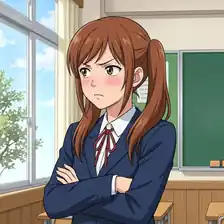
ツンデレ · tsuntsun (prickly) + deredere (lovestruck)
Tsundere Meaning: Traits, Signs & Am I a Tsundere?
Why guarded banter and quiet favors became anime’s most famous romance trope — and how to spot real-life tsundere habits.
A tsundere (ツンデレ) is an anime and manga personality archetype for someone who hides warm, sincere affection behind an aloof, defensive, or teasing exterior before gradually letting their softer side show. If you have ever wondered "am I a tsundere?" or want to see how your teasing instinct stacks up against other styles, try our free 18-scene Dere Type Test.
Tsundere Meaning & Japanese Word Origin
The word tsundere blends two Japanese mimetic terms:
- Tsuntsun (
ツンツン) — prickly, standoffish, sharp-tongued, or stubbornly turning away. - Deredere (
デレデレ) — lovestruck, openly affectionate, sweet, and eager to please.
When a character flips from tsun mode (acting unimpressed or deflecting a compliment) to dere mode (quietly going out of their way to help or smiling when nobody is watching), fans call that contrast tsundere.
Type A vs. Type B Tsundere
Anime communities often separate tsunderes into two distinct rhythms:
- Type A Tsundere (Tsun-default): Starts harsh, skeptical, or strictly guarded with almost everyone. Trust builds slowly over many shared experiences, making their eventual warmth feel hard-won and fiercely loyal.
- Type B Tsundere (Dere-default): Easygoing, capable, and friendly in daily life — right until romantic feelings enter the picture. Embarrassment about liking someone triggers sharp comebacks, blushing excuses, or playful roasting to regain composure.
In everyday life, most people who match Tsundere on our dere type quiz resemble Type B: caring friends who simply struggle to receive earnest praise without cracking a joke.
Am I a Tsundere? Everyday Signs You Might Be One
Rather than relying on dramatic anime slapstick, real-world tsundere habits look surprisingly recognizable:
- You minimize favors you worked hard on. After hunting down the exact snack or gift someone mentioned once, you hand it over saying you "bought it by accident" or "had extra."
- Teasing is your shield against vulnerability. When a crush pays you a genuine compliment, a sarcastic reply slips out faster than a simple "thank you."
- Your actions say yes before your mouth does. You insist you are busy, then quietly rearrange your entire afternoon to show up when they need a ride or a listener.
- You keep private souvenirs. Even after playing cool in person, you smile at a sweet message or keep a ticket stub long after everyone else walks away.
- You protect the people you tease. No outsider gets to criticize your favorite person, even if you playfully bicker with them yourself.
Tsundere vs. Kuudere and Himedere
Because guarded pride looks similar from a distance, Tsundere often overlaps with two neighboring archetypes — explore their profiles below and see how all eight dere types compare:
- Tsundere vs. Kuudere: A Kuudere rarely gets flustered or snaps back; their restraint comes from calm composure rather than embarrassment. A Tsundere visibly sparks up — teasing, protesting, or blushing when caught caring.
- Tsundere vs. Himedere: A Himedere enjoys being pampered, complimented, and treated with romantic ceremony out in the open. A Tsundere secretly craves the same thoughtful effort, yet pretends they couldn't care less when it arrives.
How Tsundere Scores in the Dere Type Test
In our Dere Type Test, nine of the eighteen crush scenarios include a distinct Tsundere reaction — such as teasing your crush for saving you a train seat, deflecting a birthday compliment, or acting casual when handed a thank-you note before smiling the second they leave.
Every archetype appears the exact same number of times (9 choices per type out of 18 questions), so your result card shows a fair percentage match (out of 9) alongside any close runner-up traits like Kuudere or Hajidere.



Questions
Tsundere FAQ
Quick answers about Tsundere traits, origins, and how it scores in our 18-scene quiz.
What does tsundere mean in simple terms?
Tsundere describes someone who acts prickly, teasing, or standoffish on the surface while feeling genuine warmth and loyalty underneath, especially when romantic embarrassment kicks in.
Is being a tsundere considered rude or toxic in real life?
No — in real life, teasing or playful sarcasm is only healthy when both people feel safe and respected. In our quiz, Tsundere reflects protective humor and quiet follow-through, never mean-spirited behavior.
What is the difference between a Type A and Type B tsundere?
Type A tsunderes start distant or irritable toward everyone and soften slowly over time, whereas Type B tsunderes are warm with friends and mainly turn defensive or prickly when caught having romantic feelings.
How can I test if I am a tsundere?
Take our free 18-scene Dere Type Test on the homepage. Tsundere appears in nine scenarios, and your result card shows your exact Tsundere percentage alongside neighboring matches.